



Αρκτικός Λαγός - Το έκθεμα του μήνα για τον Ιανουάριο του 2026
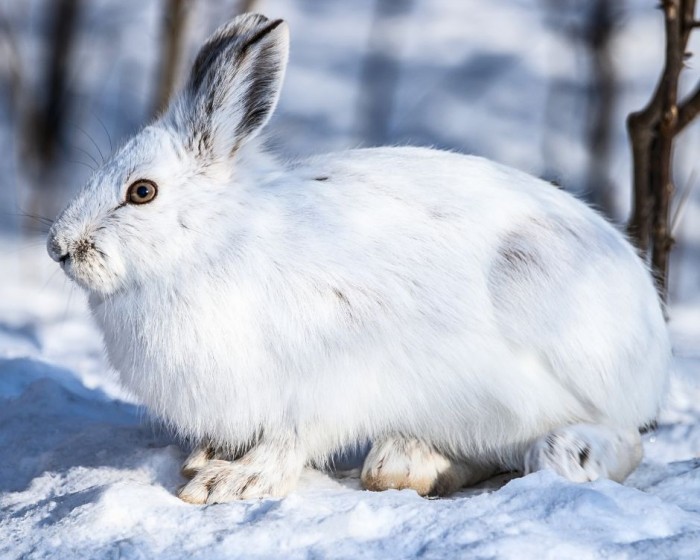
Κάθε μήνα οι επισκέπτες του μουσείου μας επιλέγουν ένα
έκθεμα που τους έκανε μεγαλύτερη εντύπωση. Το έκθεμα που επέλεξαν για το μήνα
Ιανουάριο ήταν ο Αρκτικός Λαγός.
Ο Αρκτικός Λαγός (Lepus Arcticus ) είναι είδος λαγού που
έχει προσαρμοστεί στο αρκτικό περιβάλλον. Ζει στην τούνδρα της Γροιλανδίας, στο
βόρειο τμήμα του Καναδά καθώς και στην Αλάσκα.
Παλιότερα θεωρούνταν υποείδος του λαγού των βουνών, αλλά
τώρα κατατάσσεται ως ξεχωριστό είδος.
Στα πολύ βόρεια γεωγραφικά πλάτη παραμένει λευκός όλο το
χρόνο. Νοτιότερα, το τρίχωμά του παίρνει ένα μπλε-γκρι χρώμα το καλοκαίρι, όμως
η ουρά του παραμένει λευκή. Αυτό οφείλεται στην ενεργοποίηση ενός γονιδίου που
αφορά την έκφραση της χρωστικής στο δέρμα και σχετίζεται με την αλλαγή της
θερμοκρασίας.
Τρέφεται κυρίως με ξυλώδη φυτά, άνθη, καρπούς, φύλλα καθώς
και δολώματα από κρέας που χρησιμοποιούν οι κυνηγοί ως παγίδες. Έχει δυνατή
αίσθηση όσφρησης και ενίοτε σκάβει στο χιόνι για να βρει τροφή.
Το θηλυκό γεννάει 2 φορές το χρόνο 3 - 4 μικρά.
Credits:
Wikipedia
1/2/2026